Gurugram: In a forward-looking initiative to bridge technology and national security, Science Matters hosted an advanced workshop on “Artificial Intelligence in Defence” for Central Reserve Police Force (CRPF) officers at the CRPF Academy, Gurugram. The program was specifically designed for officers at the Assistant Commandant and Second-in-Command levels, empowering key decision-makers with insights into AI’s operational potential.
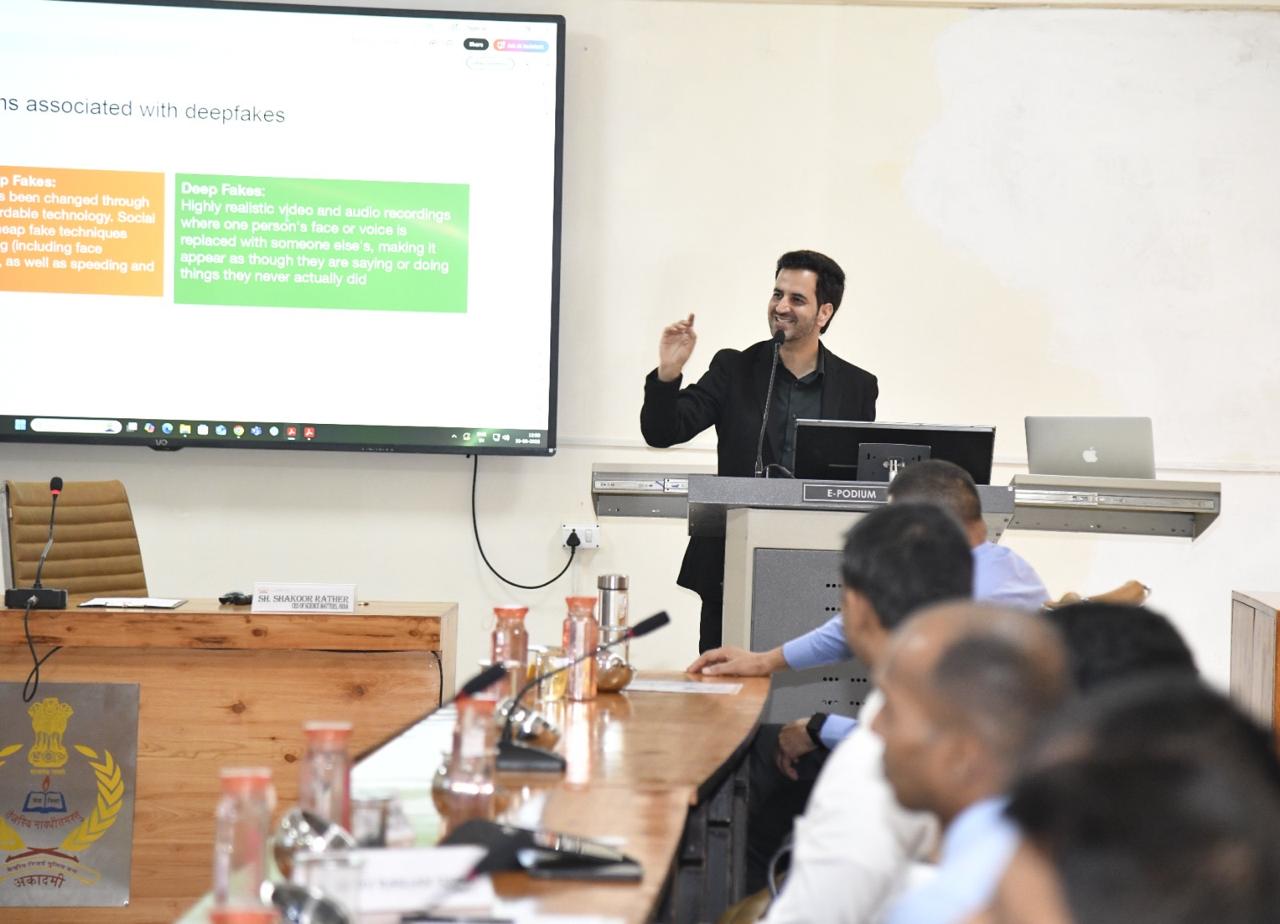
As AI becomes increasingly integral to modern defence strategies, the workshop focused on equipping officers with practical knowledge of AI technologies that can enhance operational efficiency, intelligence analysis, and mission planning.
Key Areas Covered
-
Intelligence and Surveillance: Leveraging AI in drone operations, satellite imagery, and real-time border monitoring.
-
Predictive Threat Assessment: Using machine learning models to identify risk patterns and support proactive security measures.
-
Cybersecurity and Information Integrity: Addressing digital threats, misinformation, and deepfake detection to protect sensitive defence operations.
-
AI-Driven Strategic Tools: Incorporating automated decision support, simulations, and data analytics for mission planning and operational readiness.

Hands-On Experience
Participants were introduced to AI platforms and tools already deployed or tested in defence scenarios worldwide, including:
-
Real-time image and video analysis systems for surveillance
-
Simulation platforms for tactical training and operational planning
-
AI-assisted data analytics for investigations and forensic intelligence
Interactive demonstrations allowed officers to directly relate these tools to field operations, particularly in counterinsurgency, internal security, and disaster response.
Significance
“Modern defence challenges require more than tactical skills; digital literacy is equally critical,” said Shakoor Rather, CEO of Science Matters. “This workshop ensures officers understand AI not just conceptually, but in ways that impact operational decision-making and national security.”
The session also highlighted ethical considerations, policy frameworks, and the responsible deployment of AI technologies, ensuring officers leave with both practical skills and strategic awareness. Feedback from participants praised the clarity, relevance, and actionable insights offered during the workshop.