A study shows that a Phone Detox Brain, just three days without using a phone, can lead to significant changes in brain activity, particularly in areas related to reward processing and impulse control.
The Smartphone: A Constant Companion
A smartphone’s glow is often the first and last thing we see as we wake up in the morning and go to sleep at the end of the day. It is increasingly becoming an extension of our body that we struggle to part with.
As technology advances, recognizing how our smartphone usage habits affect our brains is crucial for building healthier digital routines, the researchers said.
The Study and Its Purpose
In a recent study published in the journal Computers in Human Behavior, scientists observed that staying away from smartphones can even change one’s brain chemistry.
The researchers recruited young adults for a 72-hour smartphone restriction diet where they were asked to limit smartphone use to essential tasks such as work, daily activities, and communication with their family or significant others.
During the three-day period, researchers used psychological tests and fMRI scans to study the impact of limiting phone use.
Brain scans showed significant activity shifts in reward and craving regions of the brain, resembling patterns seen in substance or alcohol addiction.
Controversy Over the Term “Smartphone Addiction”
There is an ongoing debate about the term “smartphone addiction” (SPA) making an appearance in many psychological tests, as experts believe that this term might create an inaccurate image of the complex emotional, mental and social aspects associated with smartphone overuse.
Neuroscience increasingly focuses on excessive smartphone use (ESU) because studies link it to poor health and addictive behaviors.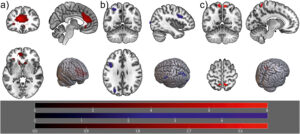
The researchers selected 25 young adults aged 18 to 30 who regularly used smartphones for this study.
To assess their mood, smartphone habits, and cravings, participants completed two questionnaires before their first brain scan. They were then instructed to limit phone use for the next 72 hours.
After the three-day restriction, participants had fMRI scans while viewing neutral scenes, smartphones turned on, and smartphones turned off.
The scans showed that restricting smartphone use changed brain activity in regions linked to dopamine and serotonin—chemicals that affect mood, emotions, & addiction.