The digital future hinges not just on technological advancement, but on trust. That was the urgent message as global thought leaders converged at the UNU Macau AI Conference 2025 on October 24th, a date strategically aligned with the 80th anniversary of the United Nations and the 50th of the United Nations University (UNU).
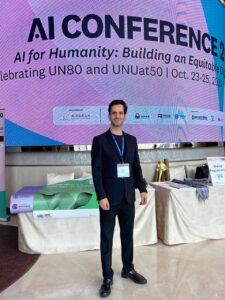
Under the resonant theme, “AI for Humanity: Building an Equitable Digital Future,” the conference gathered over 500 innovators, policymakers, academics, and youth leaders at the Galaxy International Convention Center, Macau. The objective was clear: to discuss how Artificial Intelligence can “empower, not endanger our societies.”
The Misinformation Challenge: An AI Blindspot
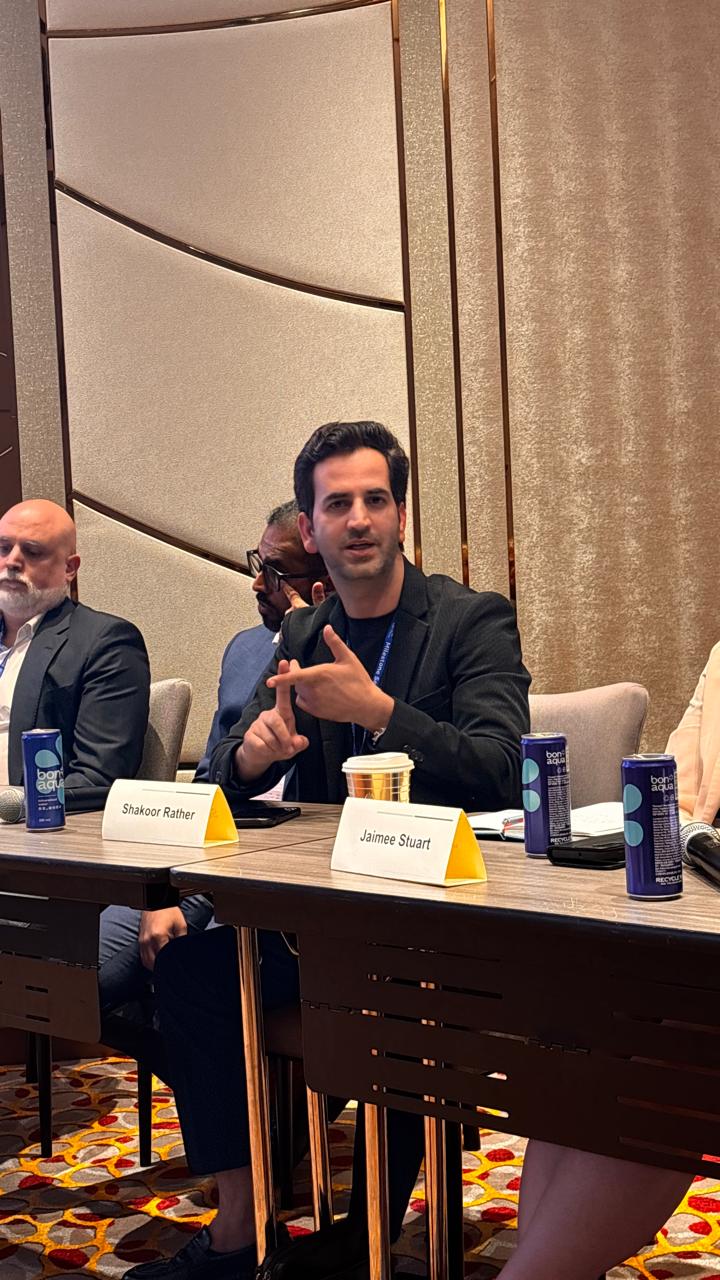
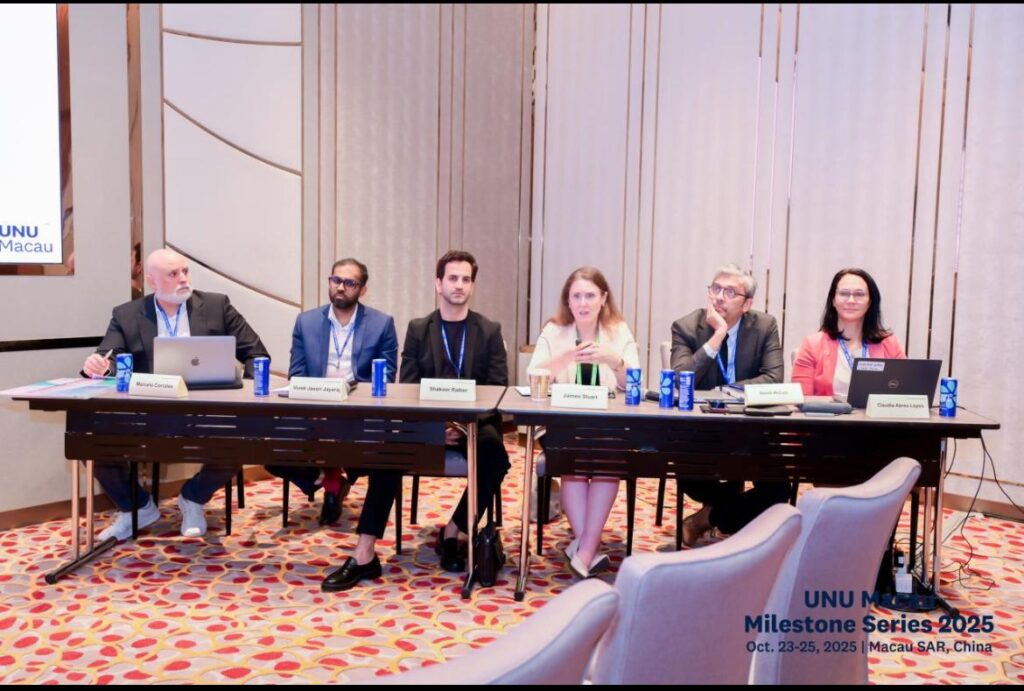
Amidst a packed agenda of 30+ sessions, chosen from nearly 300 submissions and spanning topics like AI & Climate, AI Governance, and Digital Trust, Science Matters’ Founding Director Shakoor Rather zeroed in on one of the most critical threats to an equitable digital future: misinformation.
Rather’s address tackled the profound real-world consequences of manipulated information, focusing on:
“How the spread of misinformation through social media and health platforms can undermine public trust and harm health outcomes.”
The rise of generative AI has amplified this threat, making the creation and distribution of highly convincing, false content cheaper, faster, and more scalable than ever before. Rather emphasised that if the goal is to build an inclusive and trustworthy digital society, AI must be held accountable.
AI: A Force for Truth, Not Manipulation
The core of Rather’s argument was a forceful call for ethical clarity in AI deployment. “AI can be a force for good,” he stated, “but only if it strengthens truth, not manipulates it.”
The conference’s three thematic pillars, AI Research for Narrowing the Digital Divide, Inclusiveness and Capacity Building in the AI Era, and Navigating the AI Ecosystem through Synergies and Interdisciplinary Innovation, all provide an avenue to address this. To truly narrow the digital divide, for instance, vulnerable communities need access not just to technology, but to reliable information. Capacity building must include media and digital literacy training to help citizens discern fact from sophisticated fiction.
The consensus from the global gathering was that achieving an “Equitable Digital Future” demands urgent, coordinated action:
Robust AI Governance: Developing global and national frameworks to ensure accountability, transparency, and traceability for AI-generated content.
Interdisciplinary Collaboration: Bringing together technology developers, public health experts, media researchers, and policymakers to create effective counter-misinformation strategies.
Empowering Citizens: Investing in digital and AI literacy to build a resilient, informed public that is less susceptible to manipulation.
The UNU Macau AI Conference 2025 has set the stage for this critical dialogue. The challenge now lies with the 500+ participants and the wider global community to ensure that as AI reshapes our world, it is guided by a commitment to human dignity, equity, and, fundamentally, truth.