The 13th World Conference of Science Journalists (WCSJ 2025), hosted at the CSIR International Convention Centre in Tshwane, wrapped up its fourth day with high-impact sessions that spotlighted science journalism’s pivotal role in advancing social justice, resilience, and understanding across Africa and the world.
Under the theme “Science journalism and social justice: Journalism that builds understanding and resilience,” the five-day global gathering has attracted delegates from 73 countries, featuring 58 sessions, 21 field trips, and 199 speakers who delivered cutting-edge insights to over 400 attendees. This penultimate day amplified calls for journalists to counter misinformation on climate change, harness AI for food security, and champion gender-inclusive reporting, positioning African science voices at the forefront of global discourse.
Day four’s standout sessions delivered actionable insights for journalists navigating complex global challenges, blending theoretical debates with practical tools amid escalating crises like food insecurity and extreme weather. Key highlights included explorations of artificial intelligence applications for African food security, as featured in CSIR tech talks that showcased predictive models for crop yields and early warning systems tailored to the continent’s diverse agro-ecologies.
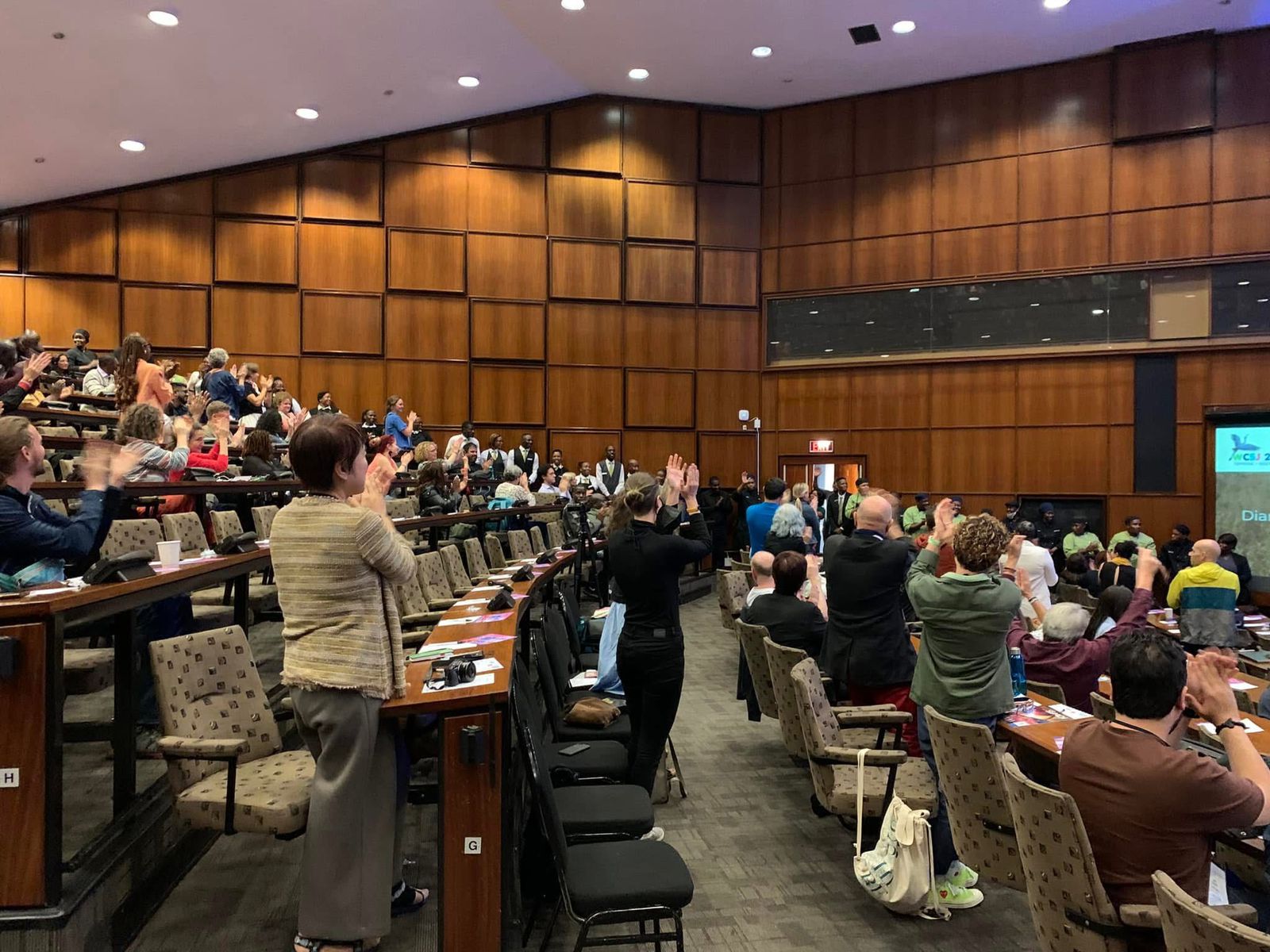
Panels on climate resilience unpacked gender-inclusive approaches, with experts advocating for stories that highlight women-led adaptation initiatives in vulnerable communities from the Sahel to southern Africa. Technology-driven innovations in climate action took centre stage in workshops dissecting drone mapping for disaster response and blockchain for transparent aid distribution, equipping reporters with data visualisation techniques to engage policymakers.
Workshops on gender-responsive climate policies and community-based strategies further empowered attendees to foster equitable storytelling in science reporting. Participants dissected case studies from Kenya’s pastoralist regions, where journalism has shifted narratives from victimhood to agency, and South Africa’s urban heat islands, emphasising intersectional lenses on race, class, and environment. A riveting plenary on “Decolonising Science Narratives” challenged delegates to dismantle Eurocentric frameworks, drawing from indigenous knowledge systems in biodiversity conservation.
These sessions not only sparked lively Q&A exchanges but also fostered cross-continental collaborations, with journalists from Latin America and Asia sharing tactics against political censorship.
Engela Duvenage, Conference Director, emphasised the day’s momentum: “Day Four sparked transformative conversations on how science journalism can advance social justice and resilience, giving delegates tools to elevate African perspectives on critical issues such as food security and climate equity. A special thank-you to Minister of Science, Technology and Innovation Prof. Blade Nzimande, Science Diplomacy Capital for Africa, and the CSIR for helping us make WCSJ 2025 a benchmark for inclusive global reporting. It has been an honour to host this significant gathering for the world’s science community.”
Lynne Smit, Senior Editor at Nature Africa and member of the Local Organising Committee, added: “These sessions underscore the urgent need for inclusive science narratives that build understanding amid crises. Featuring 199 speakers, WCSJ 2025 is proving indispensable for strengthening African journalism’s global voice, ensuring marginalised stories shape international agendas.”
Organised by the South African Science Journalists’ Association (SASJA) in collaboration with the Science Diplomacy Capital for Africa (SDCfA) and the Council for Scientific and Industrial Research (CSIR), the conference runs through December 5, with final plenaries, awards, and networking set to culminate in a unified call to action for resilient journalism. Field trips to innovation hubs like the CSIR’s bio-resources labs have offered hands-on exposure, while virtual access has broadened reach to thousands worldwide. As the event nears its close, participants leave armed with strategies to combat distrust in science and elevate ethical reporting in an era of digital disruption.